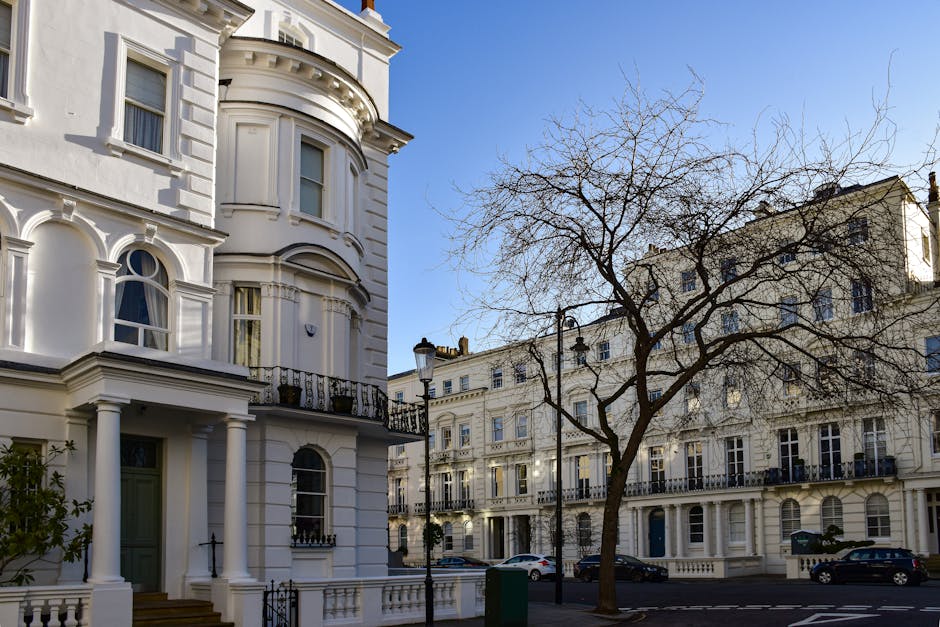
Soho Square Carpet Cleaning for Victorian Flats: A Practical Guide for Delicate Homes
Victorian flats around Soho Square have a charm that's hard to fake: high ceilings, narrow hallways, old timber, original features, and carpets that have seen a lot of life. That same charm also brings a few headaches. Deep pile that traps dust, stairwells that make equipment awkward, and older materials that do not always forgive a heavy-handed clean. If you are looking into Soho Square carpet cleaning for Victorian flats, you probably want one thing above all: a result that looks fresher without putting the property at risk.
This guide breaks down what really matters, how professional cleaning should be approached in period homes, what to ask before booking, and where the common mistakes usually happen. It is written for anyone who lives in, manages, or is preparing a Victorian flat near Soho Square and wants a sensible, practical plan rather than vague sales talk.
Key takeaway: in Victorian flats, carpet cleaning is as much about protecting the building and the fibres as it is about removing dirt. The best results usually come from a careful, methodical clean with the right moisture control, the right equipment, and a proper understanding of the property layout.
Why Soho Square carpet cleaning for Victorian flats Matters
Victorian flats are not like modern open-plan apartments. They often have older carpet installation, uneven subfloors, ornate skirting, tighter access, and sometimes shared entrances or communal areas. All of that changes how carpet cleaning should be handled. A standard, one-size-fits-all approach can leave too much moisture behind, pull at fragile seams, or spread grime rather than lifting it.
In a flat near Soho Square, there is also the reality of daily use. Busy streets, constant foot traffic, and the simple fact that people come and go more often in central London all contribute to embedded dirt. Fine dust, tracked-in debris, pet hair, drink spills, and old marks can settle into the pile before you even notice. Then one day the carpet just looks tired. Not ruined. Just dulled. You know the feeling.
That is why the topic matters. Proper carpet cleaning helps preserve the look and feel of a Victorian flat, supports a healthier indoor environment, and can extend the life of the flooring. For landlords, letting agents, and residents alike, it can also make a flat easier to present, easier to live in, and less likely to suffer from avoidable wear.
There is another angle too. Victorian properties often have a mix of materials in one home: carpet in the reception room, hard flooring in a kitchen or hallway, delicate upholstery, older curtains, or stair runners that need a lighter touch. A cleaning plan that understands the whole setting, not just the carpet itself, is usually the better bet. For related services, many households also look at deep cleaning for period homes or domestic cleaning when they want the flat handled as a complete space rather than a single room.
How Soho Square carpet cleaning for Victorian flats Works
Good carpet cleaning starts with inspection. Not glamorous, but essential. A cleaner should identify fibre type, stain type, pile condition, wear patterns, and any areas where the carpet is loose, thin, or already damaged. In Victorian flats, this matters because older carpets often behave differently from modern synthetic ones. Natural fibres may react differently to water and cleaning chemistry, while older wool blends can be sensitive to overheating or overwetting.
From there, the process usually follows a sequence:
- Dry soil removal: vacuuming thoroughly to remove loose dust, grit, and hair before any liquid is used.
- Pre-treatment: applying a suitable cleaning solution to loosen body oils, traffic marks, and everyday grime.
- Agitation: gently working the solution into the fibres where needed, without crushing the pile.
- Extraction or controlled cleaning: using a method such as steam carpet cleaning where appropriate, or a lower-moisture method where the carpet or access conditions call for it.
- Spot treatment: targeting stains that need a separate approach, such as wine, coffee, ink, or pet accidents.
- Drying and finishing: improving airflow, grooming the pile, and checking the result room by room.
What does that look like in practice? Often, it is the difference between a carpet that feels damp for ages and one that is left fresh, revived, and usable much sooner. In a Victorian flat, especially one with limited ventilation or thicker underlay, drying time is not a small detail. It can be the detail.
Professional cleaners also have to think about access. Narrow staircases, shared hallways, limited parking, and older door frames can all affect how equipment is brought in and how work is staged. If the job involves more than carpet, the same careful planning often applies to upholstery cleaning, rug cleaning, or even curtain cleaning, because period flats tend to be layered with soft furnishings that collect dust together.
Key Benefits and Practical Advantages
There is the obvious benefit: cleaner carpets. But in a property type like a Victorian flat, the practical advantages go a bit further.
- Better appearance: tired carpets can make an otherwise beautiful flat look neglected. A deep clean can lift the whole room.
- Reduced buildup: old dust and grit wear down fibres over time, so regular cleaning can help the carpet last longer.
- Improved odour control: historic flats sometimes hold onto smells from cooking, pets, damp shoes, or smoke residue. A proper clean can help a lot.
- More comfortable living: fresh carpets underfoot just feel better. Simple, really.
- Helpful for moving dates: if you are leaving, arriving, or preparing a flat for guests, a clean carpet makes everything easier to present.
- Better match for mixed surfaces: many Victorian homes combine carpet with timber or stone, so a broader refresh can make the whole property feel balanced. Services such as hard floor cleaning and window cleaning often complement carpet work nicely.
There is also a subtle benefit that people sometimes underestimate: confidence. When the carpets look cared for, the whole flat feels more settled. That matters if you are hosting guests, running a rental, or simply trying to enjoy the place yourself. Let's face it, no one relaxes properly when the hallway still looks a bit grimy.
Expert summary: the best carpet cleaning outcome in a Victorian flat is not just "cleaner carpet." It is a balanced result: cleaned fibres, protected fabric, sensible drying, and no collateral damage to the property around it.
Who This Is For and When It Makes Sense
This kind of carpet care is especially useful for people in a few common situations.
- Residents of Victorian flats who want to refresh a lived-in home without replacing good carpets prematurely.
- Landlords and agents preparing a flat for viewings, new occupants, or end-of-tenancy checks.
- Tenants moving in or out who need a sensible reset, particularly if the carpets have been heavily used.
- Owners of period properties who have inherited older fibres or are trying to preserve original features.
- Pet owners dealing with repeated stains, smells, or traffic marks in the same areas.
- Busy households where everyday life has simply outpaced regular maintenance.
It also makes sense after certain events. A leak that left a damp patch. A renovation that kicked up dust. A season of guests. A long winter with wet shoes and not enough sun. Sometimes the carpet does not need replacing; it needs proper attention. If the flat has recently had decorating or tradespeople in, you might also consider after builders cleaning as part of the wider refresh.
For short-term lets or furnished flats, the timing can be even more important. Hosts often pair carpet care with Airbnb cleaning or end of tenancy cleaning to keep the property presentable between bookings or tenancies. It is not overkill; it is just practical.
Step-by-Step Guidance
If you are arranging Soho Square carpet cleaning for Victorian flats, here is a sensible way to approach it.
1. Walk the property first
Start with a full look at the flat. Check high-traffic lanes, under furniture, near radiators, and in any spots where the pile looks flattened or discoloured. In Victorian homes, there are often little trouble spots near thresholds and stair edges that get missed.
2. Identify the carpet type
Wool, wool blends, synthetics, and older fitted carpets can all need slightly different treatment. If you do not know the material, it is worth asking before anyone starts spraying solution everywhere. That sounds obvious, but you would be surprised.
3. Test in a discreet area
A careful cleaner should test stain removal or cleaning chemistry on an out-of-sight section first. This is especially important for dyed fibres, patterned stair runners, and older carpets where colour stability may be uncertain.
4. Clear access and protect nearby finishes
Move fragile items, protect skirting where needed, and think about doors, mats, and hallway edges. Victorian flats often have painted woodwork and narrow spaces, so a bit of preparation goes a long way.
5. Choose the cleaning method wisely
Method choice should depend on fibre, soil level, drying capacity, and access. Heavy soiling in a robust carpet may suit a deeper process, while a delicate or historic carpet may need a more restrained approach. This is where experience matters more than buzzwords.
6. Focus on stains separately
General cleaning and stain removal are related, but they are not the same thing. An old tea mark in a reception room may need specialist stain removal attention, while pet-related issues may benefit from pet stain and odour removal. One-size-fits-all chemistry is not your friend here.
7. Allow proper drying
Ventilation, airflow, and sensible drying time are crucial. In a flat with sash windows and limited cross-breeze, drying can take longer than people expect. A good operator will explain what to expect and how to avoid re-soiling the carpet while it is still setting.
8. Inspect the result room by room
Check the most used areas first, then the edges and hidden corners. That final look matters. You want even cleaning, not a patchy effect where one section looks bright and another still looks tired.
Expert Tips for Better Results
A few small decisions can make a big difference. Honestly, these are the things that separate a decent clean from a genuinely good one.
- Vacuum before the cleaners arrive. It helps the treatment work more effectively. Dry soil is easier to remove before any liquid is used.
- Tell the cleaner about old stains. Even if you think they are gone. Old marks often change character after moisture hits them.
- Move small items in advance. Lamps, side tables, baskets, and loose clutter slow the job down more than most people realise.
- Ask about drying time. Especially in central London flats where airflow may be limited.
- Be realistic about age and wear. Some marks can be improved a lot, but not every stain disappears completely. That is just the truth.
- Combine services when sensible. Many period flats benefit from a broader clean, such as house cleaning or one-off cleaning, so the carpet does not become the only fresh thing in the room.
One small but important tip: if a Victorian flat has original features, do not let the cleaner steam everything by default. Steam can be excellent in the right context, but it is not automatically the answer to every fibre, finish, or stain. Sometimes a gentler route is smarter. Sometimes it is absolutely the right call to say, "hold on, let's be careful here."
And if the flat also includes bedrooms, sofas, and mattresses that have absorbed years of use, the same careful approach can be extended to sofa cleaning and mattress cleaning. A full refresh can be surprisingly satisfying. A bit like opening the windows on a crisp morning and finally getting rid of that stale, dusty feel.
Common Mistakes to Avoid
Most carpet problems in older flats are preventable. The trouble is, people often make the same few mistakes.
- Using too much water: this can leave the carpet soggy, increase drying time, and in worst cases affect underlay or surrounding timber.
- Cleaning without a fibre check: if you do not know what the carpet is made of, you are guessing. Not ideal.
- Scrubbing hard at stains: aggressive rubbing can distort fibres and push marks deeper.
- Ignoring edges and corners: these are often the dustiest parts in a Victorian flat.
- Forgetting about access: narrow stairs and shared entrances need planning. A messy arrival is rarely a good sign.
- Expecting every mark to vanish: some wear is permanent, especially on older carpets, and honest expectations are healthier than false promises.
- Choosing a price alone: cheap can turn expensive if the job is rushed or the wrong method is used.
Another big one: cleaning the carpet but ignoring the rest of the room. If the flat has dusty curtains, marked upholstery, or dirty communal thresholds, the carpet may look better but the room still feels unfinished. That is why many people consider related services such as communal area cleaning in shared buildings or regular cleaning for ongoing upkeep.
Tools, Resources and Recommendations
You do not need to become a carpet technician to make good decisions, but it helps to know what the better setups usually include.
| Approach | Best for | Strengths | Limitations |
|---|---|---|---|
| Hot water extraction / steam-based cleaning | Durable carpets with heavy soil | Strong deep-clean effect, good for embedded grime | Needs careful moisture control and drying time |
| Low-moisture cleaning | Delicate fibres, quicker turnarounds | Faster drying, less risk in some older flats | May be less effective on very deep soil |
| Targeted stain treatment | Single problem spots | Focused response to specific marks | Not a full-room clean on its own |
| Combined soft-furnishing refresh | Living rooms, bedrooms, furnished flats | More complete result across the room | Requires more time and planning |
When you are comparing options, ask practical questions: How will they protect the carpet edges? What happens if a stain does not shift the first time? What drying advice will they give? Do they carry the right safeguards for working in someone's home? Services that mention insurance and safety or a clear health and safety policy are often a better fit for period properties where care matters.
If you are budgeting, it is sensible to review pricing and quotes before booking. Not because the cheapest option is automatically bad, and not because the priciest is always best. Just because clarity upfront helps. Nobody enjoys surprise extras halfway through a job.
For residents who care about what happens after the clean, the site's recycling and sustainability information may also be useful. In a city flat, every little bit of thoughtful practice helps.
Law, Compliance, Standards and Best Practice
For most homeowners and renters, carpet cleaning is not a heavily regulated activity in itself. But there are still important best-practice expectations, especially in London homes and managed buildings.
First, any work in a rented flat should respect tenancy terms and building rules. If you are a tenant, check what your agreement says about cleaning standards, access, and inventory expectations. If you are a landlord or agent, it is worth ensuring the job is documented sensibly and that the cleaner understands the property condition beforehand. No drama, just good housekeeping.
Second, cleaners working in occupied homes should follow sensible safety procedures. That includes managing equipment safely, avoiding slip hazards, using suitable chemicals, and communicating drying times clearly. A trustworthy provider should be transparent about these basics and be able to explain how they work in a Victorian building with stairs, narrow corridors, or shared entrances.
Third, if you live in a block with communal areas, it is wise to think about how carpet cleaning interacts with hallways, landings, and shared access. A cleaner who understands communal area cleaning and building etiquette is more likely to cause less disruption to neighbours. That sounds small, but in Soho it matters.
Finally, the best practice standard is simple: protect the property, communicate clearly, and do not promise what cannot be delivered. Honest providers say when a stain can be improved but not erased, when a carpet needs a gentler method, and when a broader clean may be more sensible than a quick fix.
Options, Methods, or Comparison Table
Here is a straightforward comparison of the main ways people approach carpet cleaning in Victorian flats.
| Method | Best use case | Why it suits Victorian flats | Watch out for |
|---|---|---|---|
| Professional deep clean | General refresh, traffic lanes, older fibres | Handles embedded dirt with proper technique | Needs correct fibre assessment |
| Steam carpet cleaning | Robust carpets, noticeable soiling | Can deliver a strong lift where suitable | Too much moisture if misused |
| Spot treatment only | One or two stains | Useful when the rest of the carpet is in good shape | Does not refresh the whole room |
| Combined soft furnishing service | Whole-room refresh | Better match for period rooms with curtains, sofas, rugs | Requires a bit more coordination |
If you are unsure which route is best, think about the state of the room rather than the carpet in isolation. Is the flat being prepared for sale, a new tenant, or just a more comfortable day-to-day feel? The right answer is often tied to the use case, not a single cleaning buzzword.
Case Study or Real-World Example
A typical Victorian flat scenario goes like this: a one-bedroom flat near Soho Square has a hallway runner, a living room carpet, and a bedroom carpet that all look a little flat and grey around the edges. Nothing dramatic. Just the sort of thing that creeps up over a year or two. The resident has had guests, used the flat through winter, and noticed a faint stale smell after the windows stayed shut for weeks.
A careful clean would start with inspection, then focused vacuuming, then a controlled treatment on the traffic lanes. The living room might need targeted stain work near the sofa, while the hallway would benefit from a different level of agitation because of the footfall. The cleaner would probably avoid over-wetting the runner, give clear drying advice, and check that the carpet edges were still flat and tidy. If the flat had matching upholstery and a couple of rugs, those could be handled in the same visit.
The result is not a miracle. It is better than that. The flat feels less tired, the rooms smell fresher, and the carpet no longer drags the whole interior down. The resident notices it most in the first few mornings after the clean. The place just feels easier to live in. That matters more than people admit.
Practical Checklist
Use this checklist before booking Soho Square carpet cleaning for Victorian flats:
- Check the carpet type if you can, or note that it is unknown.
- List any visible stains, odours, or worn areas.
- Decide whether you need only carpets or a wider clean too.
- Confirm access details for stairs, lifts, parking, and entry.
- Move small furniture and fragile items out of the way.
- Ask how the cleaner handles delicate fibres and older carpets.
- Ask how long drying is likely to take.
- Confirm what happens if a stain needs additional treatment.
- Look at the wider condition of the flat: curtains, sofa, rugs, and hard floors.
- Review the provider's safety, insurance, and terms information before you go ahead.
If you are planning a broader refresh, it can help to coordinate carpet care with move in cleaning, move out cleaning, or even house cleaning if the whole property needs attention. That way, the final result feels complete instead of half-finished.
Conclusion
Soho Square carpet cleaning for Victorian flats is really about respect: respect for the property, respect for the fibres, and respect for the way older homes need to be handled. These flats can look beautiful, but they ask for a little more judgement than a modern build. Get the method right, and the carpet can lift the entire room. Get it wrong, and you are left with damp, patchy results or damage that could have been avoided.
The good news is that the right approach is not complicated. Inspect properly, choose the right method, treat stains carefully, dry sensibly, and think about the flat as a whole rather than just one surface. That is the real difference between a quick wipe-over and a proper professional result.
Get a free quote today and see how much you can save.
And if you are still weighing things up, that is perfectly fine. A Victorian flat deserves patience, not pressure. Take your time, ask the right questions, and aim for a clean that feels right when you walk in the door.
Frequently Asked Questions
What is the best carpet cleaning method for Victorian flats?
It depends on the carpet type, wear, and drying conditions. Many Victorian flats do well with a controlled deep clean or steam-based method, but delicate fibres may need a lower-moisture approach.
Will carpet cleaning damage older carpets?
It can, if the wrong method is used. The key is fibre identification, careful testing, and sensible moisture control. Older carpets are not fragile by default, but they do need more judgement.
How long does carpet drying usually take in a flat like this?
Drying time varies with method, ventilation, pile thickness, and weather. Flats with limited airflow may take longer than people expect, especially in winter.
Can stains be removed completely from Victorian flat carpets?
Sometimes yes, sometimes not fully. Fresh stains are easier than old ones, and certain dyes or spill types leave permanent traces. Honest advice matters here.
Is steam carpet cleaning safe for wool carpets?
It can be, if handled correctly and the carpet is suitable. Wool is common in older homes, so the cleaner should assess the fibre and use appropriate settings and chemistry.
Should I vacuum before the cleaner arrives?
Yes, if you can. It helps remove loose soil first and makes the professional clean more effective. A quick vacuum can make a surprising difference.
What should I tell the cleaner before the appointment?
Mention stains, odours, pet accidents, loose carpet edges, access issues, and anything unusual about the property. The more they know up front, the smoother the job tends to be.
How often should carpets in Soho Square Victorian flats be cleaned?
That depends on foot traffic, pets, smoking, guests, and how the flat is used. Busy homes often need attention more regularly than quiet ones. There is no universal schedule.
Can carpet cleaning help with pet smells?
Yes, especially when the odour has settled into the fibres or backing. Pet stain and odour removal may be needed for more stubborn cases, though results depend on how deep the issue has gone.
Do I need to move furniture before carpet cleaning?
Small items, yes if possible. Heavy furniture is often handled case by case. Ask in advance, because Victorian flats can be awkward for moving large pieces, and no one wants scratched floors.
What if my flat also needs curtains, sofas, or rugs cleaned?
It is often sensible to do those at the same time, especially in period homes where dust and odours collect across multiple soft surfaces. A joined-up approach usually looks better.
How do I know a cleaner is suitable for an older property?
Look for clear safety information, sensible explanations about methods, and a willingness to discuss fibre types and access. Good providers speak plainly and do not overpromise. That is usually a good sign.