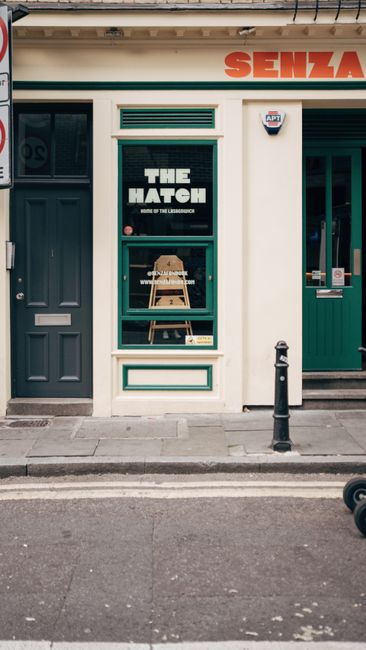
Carpet cleaning Old Compton Street Soho for shops
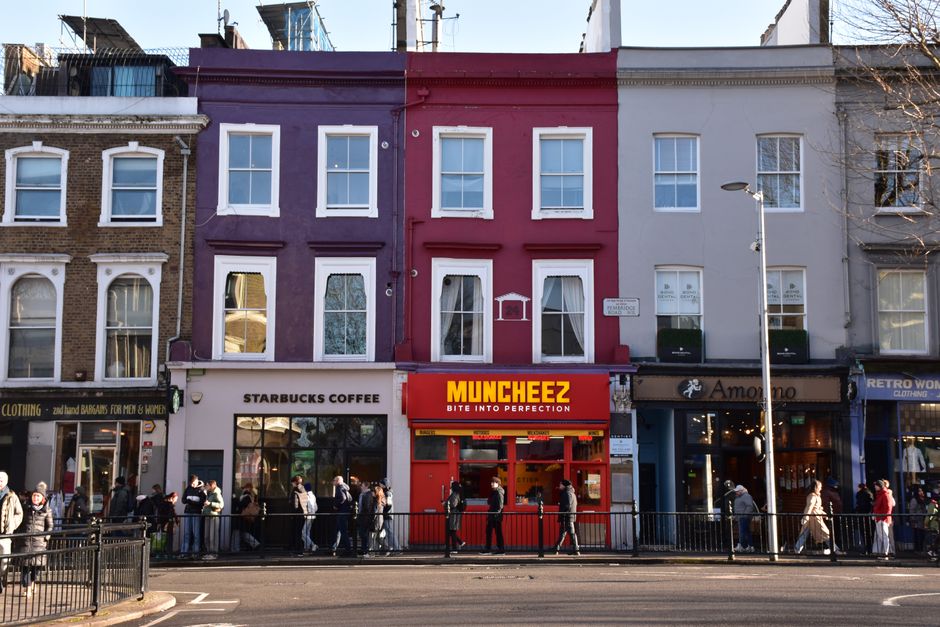
If you run a shop on Old Compton Street, you already know the floor tells a story. Mud from a wet Soho afternoon, the scuff of heavy footfall, coffee drips, a bit of packaging dust, maybe the odd mystery mark that appears overnight. Carpet cleaning Old Compton Street Soho for shops is not just about looking tidy for customers; it is about protecting the space you work in, keeping it presentable through busy trading hours, and avoiding that worn, tired feeling that creeps in surprisingly fast.
In a retail setting, clean carpet does a lot of quiet work. It softens first impressions, helps a small shop feel cared for, and supports a healthier, more comfortable environment for staff and visitors. This guide walks through how shop carpet cleaning works, what to expect, common pitfalls, and the smartest ways to keep flooring looking good without making life harder for yourself.
To make things easier to scan, here is a quick guide to the sections below.
- Why it matters
- How it works
- Key benefits
- Who needs this and when
- Step-by-step guidance
- Expert tips
- Common mistakes
- Tools and recommendations
- Law, compliance, and best practice
- Methods comparison
- Real-world example
- Practical checklist
- Frequently asked questions
Why Carpet cleaning Old Compton Street Soho for shops Matters
Shops in Soho work hard. Foot traffic can be steady from opening until late, and Old Compton Street has the kind of pace where floors rarely get a quiet day. That means dirt builds up in layers. Fine grit gets pushed deep into fibres. Spills dry in. High-traffic lanes start to look dull before the rest of the carpet does. Before long, the whole shop can feel a bit off, even if everything else is spotless.
This matters because customers notice floor condition almost without thinking about it. A clean carpet suggests attention to detail. A stained or flattened one can quietly suggest the opposite. It is the kind of thing people register in a second, then never mention. That is the funny part, really. The carpet may be doing half the selling and nobody thanks it.
For staff, cleaner carpets also mean a nicer day at work. Dust and debris are less likely to circulate, and the shop simply feels fresher. In clothing stores, beauty retailers, gift shops, bookshops, and boutique spaces, carpet cleanliness becomes part of the brand experience. Not flashy. Just right.
If your premises also include back-of-house areas, you may already be thinking about wider maintenance. In many cases, carpet care sits naturally alongside commercial cleaning or a broader deep cleaning schedule, especially where the shop has a compact layout and a lot of visitors each day.
Expert summary: In retail settings, carpet cleaning is not just a cosmetic job. It helps protect the customer experience, supports hygiene, slows visible wear, and can extend the life of the flooring if done before grime becomes embedded.
How Carpet cleaning Old Compton Street Soho for shops Works
Good shop carpet cleaning is part inspection, part treatment, part patience. The exact process depends on the carpet type, the level of soiling, and how much time the shop can spare for drying. In practice, a proper clean usually starts with a walk-through. That first look matters because a pale wool blend, a synthetic entrance runner, and a fitted carpet in a fitting room all behave differently.
Most professional cleaning begins with dry soil removal. This is the stage people underestimate. Loose grit can act like sandpaper, so removing it first helps everything else work better. After that, the technician identifies stains, spots, and heavy-use areas. The method may involve pre-treatment, agitation, hot water extraction, or steam carpet cleaning, depending on the carpet construction and the finish required.
In a shop, timing is a big deal. You cannot always shut the doors for a long period, so drying speed and access planning matter more than they do in a home. One section may be cleaned before opening, another after close, and sometimes the work is split over two visits. That sounds fiddly, but it is often the neatest solution.
For stubborn marks, targeted stain removal is often part of the service. Think tea, makeup, shoe polish, packaging ink, or the occasional sticky residue from product display tape. If a shop has upholstery nearby, it can also make sense to coordinate with upholstery cleaning or even sofa cleaning so the whole customer area feels consistent.
What a typical cleaning visit may include
- Site check and carpet fibre inspection
- Vacuuming or dry soil removal
- Pre-treatment of stains and high-traffic areas
- Deep cleaning using the appropriate method
- Spot treatment for remaining marks
- Drying guidance and aftercare advice
That is the basic shape of it. The details are what make the difference.
Key Benefits and Practical Advantages
There are obvious benefits, and then there are the subtle ones. The obvious one is appearance: cleaner carpets make a shop feel looked after. The subtle one is confidence. Staff move differently in a space that feels fresh. Customers browse longer when the surroundings feel calm and clean. Funny how that works, but it really does.
Here are the main practical advantages for shops on Old Compton Street:
- Better first impressions: Visitors see a cared-for space as soon as they walk in.
- Less visible wear: Dirt grinding into fibres makes carpets age faster.
- Improved scent and freshness: Clean carpet helps remove that stale, shop-floor smell that builds up over time.
- More comfortable environment: Staff spend long hours on site, and a fresher floor helps the whole space feel better.
- Better maintenance planning: Regular cleaning makes it easier to spot damage early.
- Support for higher-value branding: In boutique or premium retail, the floor matters more than people think.
If your shop has mixed flooring, it may be worth coordinating carpet care with hard floor cleaning so the entire customer area has the same standard. A bright carpet next to a dull floor can still make the shop feel half-finished. Small details, big effect.
There is also a life-cycle benefit. Cleaning at the right intervals can slow fibre breakdown and reduce the need for early replacement. That is not magic, just maintenance doing its job properly.
Who This Is For and When It Makes Sense
Carpet cleaning Old Compton Street Soho for shops is most useful for retail businesses with regular footfall, customer-facing carpeted zones, or any shop that notices visible wear near the entrance, till point, display aisles, or fitting rooms. But the best time to arrange it is not when the carpet looks desperate. Ideally, you act before the problem gets baked in.
It makes sense for:
- Independent shops and boutiques
- Gifts, accessories, and lifestyle stores
- Bookshops and specialty retail spaces
- Beauty and wellness retailers
- Cafes with carpeted seating areas or waiting zones
- Showrooms and client-facing studios
- Small businesses operating from mixed-use premises
It also makes sense after a busy seasonal period. In Soho, that might mean a retail rush around holidays, a launch period, or a stretch of damp weather when the entrance takes a beating. If the shop has recently had renovation work, a coordinated clean may sit alongside after builders cleaning so dust does not keep drifting back into the carpet pile for weeks.
Some shops need cleaning on a regular schedule. Others can manage with a one-off deep clean between busy periods. The right answer depends on footfall, carpet colour, fibre type, and how much wear you can tolerate before the place starts looking tired. No drama, just judgment.
Step-by-Step Guidance
If you are planning carpet care for a shop, it helps to break it down into sensible stages. Rushing this is how people end up with soggy edges, reappearing stains, or a carpet that looks good for two days and then seems worse. Been there? Probably more than once, if we are honest.
- Assess the carpet condition. Look for traffic lanes, stain types, pile damage, odour, and any loose joins or edge lifting.
- Identify the carpet material. Wool, nylon, polypropylene, and blends all need different handling.
- Choose the right method. Some carpets suit hot water extraction; others do better with lower-moisture approaches.
- Prepare the shop. Move delicate items, protect stock, and plan access around trading hours.
- Pre-treat problem spots. Target entrances, till points, and any obvious marks before the main clean.
- Clean in sections if needed. This is often the best way to keep a shop open with minimal disruption.
- Allow proper drying time. Do not rush the re-opening if the carpet still feels damp.
- Review the result and maintain it. Put a plan in place so the floor stays good, not just good for a week.
A useful rule of thumb: if a carpet is cleaned but not protected afterward, the same traffic pattern will return fast. Entrance mats, routine vacuuming, and prompt spot treatment matter almost as much as the deep clean itself.
For shop owners who are also juggling stock, fittings, or customer flow, it can help to think in layers. Keep the front-of-house presentable daily, then schedule deeper work before the carpet becomes visibly tired. That approach tends to save time and frustration later.
Expert Tips for Better Results
In practice, the best results come from small, careful decisions rather than heroic effort. Here are the habits that make the biggest difference.
- Vacuum slowly and thoroughly. Quick passes miss grit, especially in retail lanes.
- Treat spills quickly. The sooner a mark is blotted, the better the chance of full removal.
- Use entrance mats properly. They should catch dirt before it reaches the carpet, not just sit there looking polite.
- Match the method to the fibre. This matters more than people think, especially with delicate blends.
- Plan cleaning outside the busiest hours. Late evening or early morning often works best in Soho.
- Do not overwrite stains. Scrubbing can push the mark deeper or damage the pile.
- Ask for drying guidance. Freshly cleaned carpet should be protected from heavy traffic until fully dry.
One useful thing we have seen in shop environments is the difference a simple rotation of display layout can make. If the same path gets hammered all year, move things around now and then. It sounds almost too basic, but it helps spread wear more evenly. A bit of common sense goes a long way, annoyingly enough.
If the shop has curtains or fabric features near the retail floor, combining carpet care with curtain cleaning can lift the overall look. Clean carpet plus dusty curtains is like polishing one shoe and ignoring the other.
Common Mistakes to Avoid
Some of the most expensive carpet problems in shops come from well-meant mistakes. The issue is rarely that people do nothing. It is that they do the wrong thing quickly.
- Waiting too long: Deep dirt becomes harder to remove the longer it sits.
- Using too much water: Over-wetting can leave carpets slow to dry and vulnerable to odours.
- Using the wrong chemical: Harsh or unsuitable products can damage fibres or cause discolouration.
- Scrubbing stains aggressively: This can spread the mark and fray the pile.
- Ignoring the entrance area: Most soil starts there, then moves inward.
- Not planning access: A rushed clean during trading hours can create avoidable disruption.
- Forgetting post-clean maintenance: A beautiful result can fade quickly without a follow-up routine.
Another mistake is assuming every stain can be removed fully. Sometimes it can, sometimes it cannot. That is just the honest answer. Age, fibre type, previous DIY attempts, and the actual substance all affect the outcome. A good cleaner should tell you where the realistic line is.
There is no prize for pretending otherwise.
Tools, Resources and Recommendations
You do not need a warehouse of gear to look after shop carpets, but the right tools make maintenance much easier. For day-to-day care, a strong commercial vacuum is usually the most important piece of kit. After that, the key tools are really about stain response and prevention.
Useful items and approaches include:
- Commercial vacuum cleaner: Ideal for frequent, thorough soil removal.
- Entrance mats: Helpful for reducing grit tracked in from the street.
- Spot-cleaning cloths: Soft, clean cloths are better than kitchen roll that tears apart halfway through.
- Neutral carpet-safe cleaner: Appropriate only if it matches the fibre and stain type.
- Protective signage: Useful during drying, especially in busy shop environments.
- Routine maintenance schedule: The best tool is often a calendar, to be fair.
If you are comparing services, look beyond the headline and ask how they handle inspection, stain testing, drying, and access timing. If a provider also offers commercial carpet cleaning, that can be especially relevant for shops, because the workflow is usually better suited to trading premises than a domestic-style visit.
For stores that want an all-round maintenance plan, pairing carpet work with office cleaning or regular cleaning can make scheduling simpler. It is not always about more services. Sometimes it is just about better timing.
Law, Compliance, Standards, or Best Practice
For shop owners, carpet cleaning is mostly a practical maintenance issue, but it sits within wider duties around workplace safety, cleanliness, and managing slip risks. In the UK, businesses are generally expected to keep premises safe for staff and visitors, and to take sensible steps to reduce foreseeable hazards. A damp carpet near a busy entrance, for example, is not something to shrug off.
Best practice in a retail setting usually includes:
- Planning cleaning so it does not create avoidable slip hazards
- Using suitable warning signs while carpet is drying
- Choosing methods compatible with carpet fibres and site conditions
- Keeping walkways clear during and after cleaning
- Following sensible health and safety procedures for contractors and staff
If you need reassurance about site safety and service approach, it is worth reviewing a provider's health and safety policy and insurance and safety information. That is not paperwork for paperwork's sake. In a small shop, where every bit of floor space counts, it matters that the work is handled properly and responsibly.
There is also a broader business expectation around customer-facing presentation. No law forces a shop carpet to look pristine, of course, but in a competitive area like Soho, standards are shaped by what customers expect. That is a real commercial pressure, even if it never appears in a rulebook.
For businesses that value transparent service terms and clear booking expectations, it can help to review terms and conditions and pricing and quotes before confirming work. Clarity at the start saves awkwardness later. Everyone prefers that.
Options, Methods, or Comparison Table
Not every carpet needs the same process. The best method depends on fibre type, soil level, time available, and how quickly the shop needs to reopen. Here is a simple comparison to make that easier.
| Method | Best for | Advantages | Things to watch |
|---|---|---|---|
| Hot water extraction | Deep soil, general retail carpet, traffic lanes | Thorough clean, good for embedded dirt | Needs proper drying time |
| Steam carpet cleaning | Heavy use areas and sanitising-focused cleans | Strong deep-clean effect, lifts grime well | Not ideal for every fibre or tight turnaround |
| Low-moisture cleaning | Shops needing faster drying | Quicker reopening, less water use | May be less effective on very deep soil |
| Spot and stain treatment | Isolated marks and spills | Targets problem areas directly | Needs correct product selection and care |
For some premises, the answer is a mix of methods. A shop may benefit from dry soil removal and low-moisture work in public areas, plus more intensive treatment near the entrance and till. That hybrid approach often makes the most sense in a busy London street where time is tight and standards need to stay high.
If you are comparing options for the whole premises, carpet care can sit alongside window cleaning or commercial cleaning to give the front of house a more complete refresh. In shops, presentation is rarely about one thing.
Case Study or Real-World Example
Picture a small retail shop on Old Compton Street with a carpeted customer area, a narrow entrance, and a till zone that gets hammered all day. It is a nice shop, honestly, but the carpet has started to show a darker path from the door to the counter. There is also a faint coffee mark near the display shelf and a couple of old spots by the fitting area where people have stood with wet umbrellas in winter.
The owner notices that the shop still looks clean at a glance, yet something feels off. Customers are not complaining. They simply linger a bit less. Staff have mentioned the place feels duller by late afternoon. That is usually the moment people decide to book a proper clean, not because the carpet has failed, but because it is no longer helping the shop.
The practical solution is straightforward: clear a quiet period, vacuum thoroughly, pre-treat traffic lanes, treat the visible marks, and use a method that balances cleaning strength with drying time. If the shop has fabric seating nearby, the team may also clean those surfaces so the whole front area feels consistent. Afterward, the owner places better entrance mats, sets a quick spot-clean routine, and schedules future cleaning before things get bad again. Simple, really. But effective.
The main takeaway? Waiting until the carpet looks ruined is costly. Catching it earlier means less disruption, better results, and fewer awkward conversations about whether that stain was there last month or not.
Practical Checklist
Use this checklist before and after arranging carpet care for a shop.
- Check the carpet type and fibre condition
- Identify the busiest footfall areas
- List visible stains, marks, and odours
- Decide whether cleaning must happen outside trading hours
- Move stock and fragile items out of the work zone
- Confirm drying time and reopening plans
- Put warning signs in place during and after cleaning if needed
- Vacuum regularly after the clean to slow re-soiling
- Review entrance mats and traffic flow
- Schedule the next clean before the carpet looks tired again
If the shop has other soft furnishings, it may be worth reviewing rug cleaning or curtain cleaning too, especially if dust or odour seems to linger in the room.
Conclusion
For shops on Old Compton Street, carpet cleaning is one of those quiet maintenance jobs that pays you back in several ways at once. The space looks sharper, feels fresher, and handles the daily pressure of retail life a little better. More importantly, it helps your shop keep its character instead of slowly drifting into that worn, tired look that no one really wants.
The best approach is simple: clean before the carpet becomes a problem, choose the right method for the fibre and footfall, and keep up light maintenance between visits. Do that, and the floor stops being a hidden issue and starts being part of the shop's strength. Small thing. Big difference.
If you are planning a refresh or need advice on the right approach for your premises, the next step is straightforward.
Get a free quote today and see how much you can save.
And if you are still weighing things up, that is fine too. A good carpet care plan is not about rushing. It is about making the shop feel looked after, one sensible decision at a time.
Frequently Asked Questions
How often should a shop on Old Compton Street have carpet cleaning?
It depends on footfall, carpet colour, and how quickly marks build up, but many shops benefit from regular maintenance plus periodic deep cleaning. Busy entrances usually need attention more often than quieter corners.
Is steam carpet cleaning suitable for retail premises?
Often, yes, but it depends on the carpet fibre, the time available for drying, and how much moisture the site can handle. Some shop carpets do well with steam carpet cleaning, while others need a lower-moisture method.
Can carpet stains be removed completely?
Sometimes they can, sometimes not. Fresh spills are easier than old, set-in marks. Fibre type, previous DIY attempts, and the substance itself all affect the result, so it is best to be realistic.
Will carpet cleaning disrupt trading hours?
It does not have to. Many shops arrange cleaning before opening, after close, or in sections. Good planning keeps disruption low, though drying time still needs to be respected.
What is the best way to reduce dirt in a shop carpet?
Entrance mats, regular vacuuming, fast spill response, and sensible footfall management all help. The goal is to stop grit reaching the fibres in the first place. That is the real win.
Do I need commercial carpet cleaning rather than domestic cleaning?
For a shop, commercial carpet cleaning is usually the better fit because it is designed around business premises, higher traffic, and more flexible scheduling. It is generally the more practical option.
Can carpet cleaning help with odours?
Yes, especially where smells are trapped in the fibres from traffic, spills, or moisture. If the issue is persistent, it may need targeted treatment rather than a general clean alone.
Should I clean carpets if the shop has hard flooring too?
Yes, because mixed flooring can still look uneven if one surface is dull or dirty. Coordinating carpet work with hard floor care can make the whole front of house feel more polished.
What should I ask before booking a carpet cleaner for my shop?
Ask about the cleaning method, drying time, stain treatment, insurance, health and safety procedures, and whether the service can work around your trading hours. Clear answers are a good sign.
Is it worth cleaning carpets before a busy season?
Absolutely. A pre-season clean helps the shop start fresh and can make ongoing maintenance easier. It is usually smarter than trying to recover from months of wear after the fact.
Can carpet cleaning be combined with other services?
Yes. Many shop owners pair it with related work such as upholstery cleaning, window cleaning, or broader commercial cleaning so the space gets a more complete refresh in one go.
How do I know when the carpet is beyond cleaning?
If the fibres are badly worn, the backing is damaged, or stains are permanent and widespread, cleaning may only improve the appearance rather than restore it fully. A proper inspection should make that clear.